
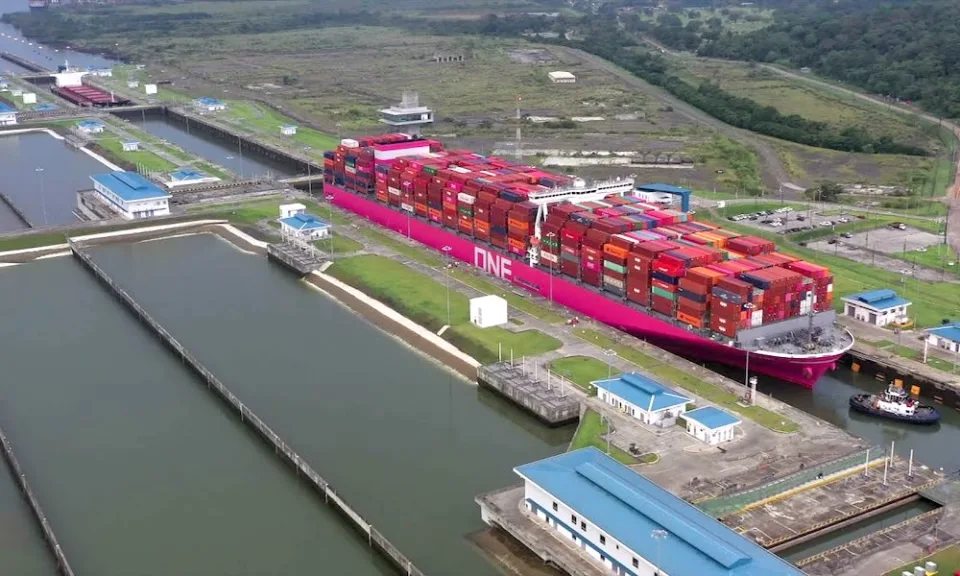
The Panama Canal is set to reduce daily booking capacity to 32 vessels from mid-September as persistent rainfall deficits force the waterway to adopt further measures against the effects of El Niño.
For booking dates beginning September 4, the canal will make nine neopanamax and 25 panamax slots available each day, for a total of 34. From September 15, panamax availability will fall to 23 daily slots, bringing overall booking capacity down to 32 vessels.
Context: Panama Canal
The latest reduction follows earlier restrictions on vessel drafts and daily bookings. The canal had already lowered booking capacity from 36 to 34 ships per day after draft limits were reintroduced in June for the first time in about two years.
Operational context
The Panama Canal Authority said the additional measures were necessary because rainfall and inflows into the canal watershed remained below expectations despite the arrival of the rainy season.
Some near-term relief has been provided on draft restrictions. A planned reduction in the permitted draft to 48 ft has been postponed until September 2, while a subsequent cut to 47.5 ft has been delayed until October 1.
The canal is also revising its auction arrangements. LNG and LPG carriers, bulk carriers, containerships, vehicle carriers and tankers will be divided into four groups for selected slot auctions. The largest containerships, measured by teu capacity, will receive priority in competitions for neopanamax slots.
The tightening restrictions have already increased the cost of securing transit capacity. Daily auctions for canal slots averaged about $1.1 million earlier in the month, while some bids for neopanamax passages reached several million dollars as water constraints coincided with strong demand for the route.
Clarksons Securities analysts Frode Mørkedal and Omar Nokta said the deteriorating canal conditions could begin affecting freight rates as the restrictions reduce effective vessel supply and encourage more ships to use longer alternative routes.
Clarksons identified very large gas carriers as particularly exposed because of their reliance on US Gulf-to-Asia trades through the canal. Dry bulk shipping could also be affected. The firm raised its 2026 VLGC rate forecast by $15,000 to $81,250 per day and increased its 2027 projection by $20,000 to $70,000 per day.
The measures revive concerns seen during the 2023-24 drought, when canal throughput fell as much as 40% below normal levels.